A 20 kg bag of tile adhesive covers roughly 20–30 sq ft. That is a wide range, and the reason is simple: coverage is decided by how much material ends up under the tile, which depends on the notch size, the flatness of the substrate and the person holding the trowel.
Start with the notch
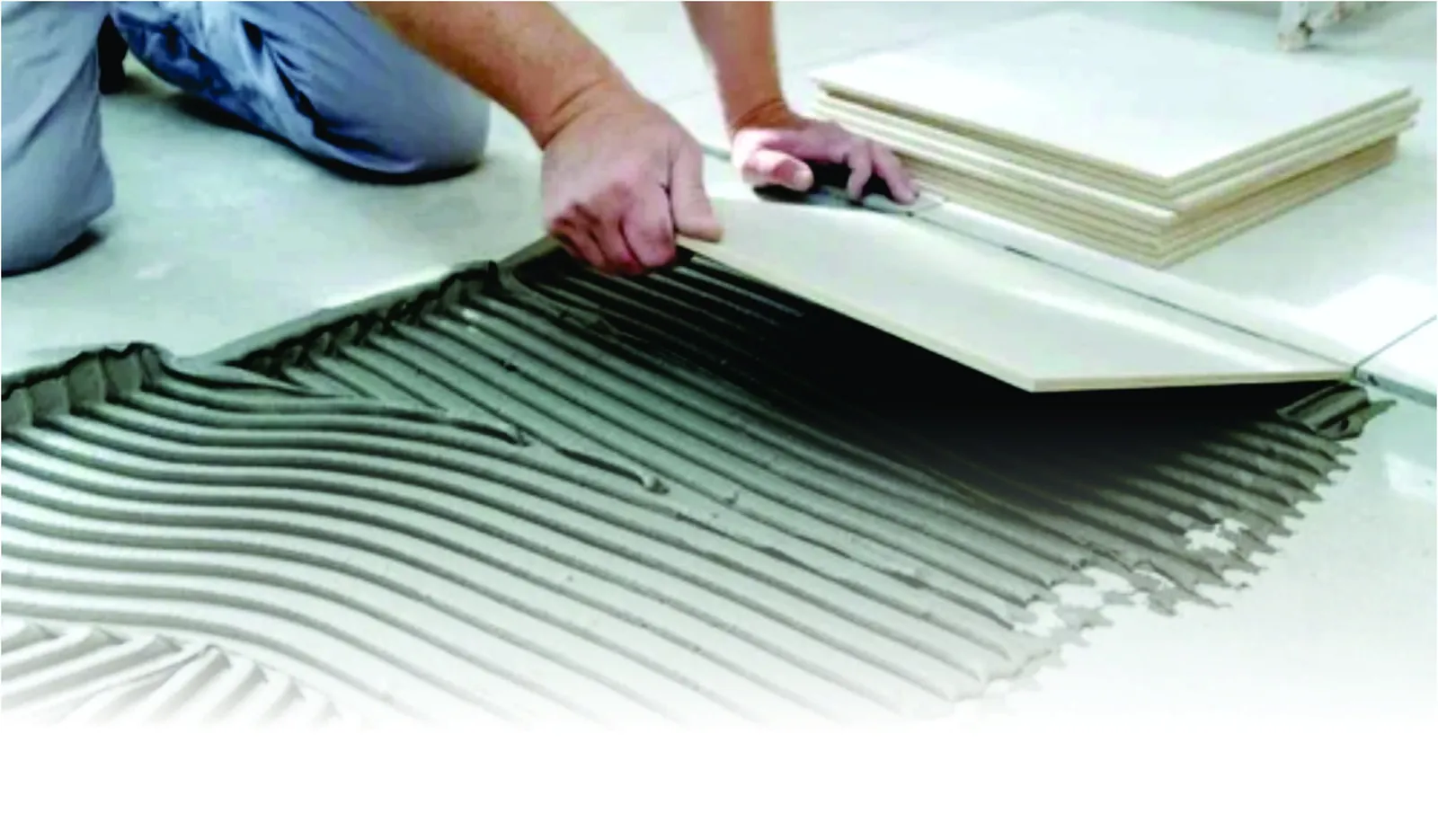
The notched trowel meters the material. A bigger notch means a thicker bed and fewer square feet per bag.
| Tile size | Typical notch | Approx. coverage per 20 kg |
|---|---|---|
| Up to 300×300 mm | 6 mm | 28–30 sq ft |
| Up to 600×600 mm | 10 mm | 24–26 sq ft |
| Large format / stone | 12 mm + back-butter | 18–22 sq ft |
Worked example — 100 sq ft of 600×600 vitrified
- Area: 100 sq ft
- Coverage at 10 mm notch: about 25 sq ft per bag
- Bags before wastage: 100 ÷ 25 = 4
- Wastage on a typical site: 10% → 4.4
- Order: 5 bags
Always round up to the next full bag, and keep one spare bag per 500 sq ft on site. Running short mid-floor means a cold joint and a second delivery.
What quietly increases consumption
- An uneven substrate. Every dip gets filled with adhesive. If the floor is more than 3 mm out over 2 m, level it first — levelling with adhesive is expensive and it cracks.
- Back-buttering. Necessary above 600×600 mm, and it adds roughly 20–30% to consumption. Budget for it rather than discovering it halfway.
- Material going off in the bucket. Mix what can be laid within the pot life. Anything that stiffens is waste — and it cannot be revived with more water.
- Open time overruns. Combing more area than the team can tile means scraping skinned adhesive off and starting again.
Wall putty and block mortar
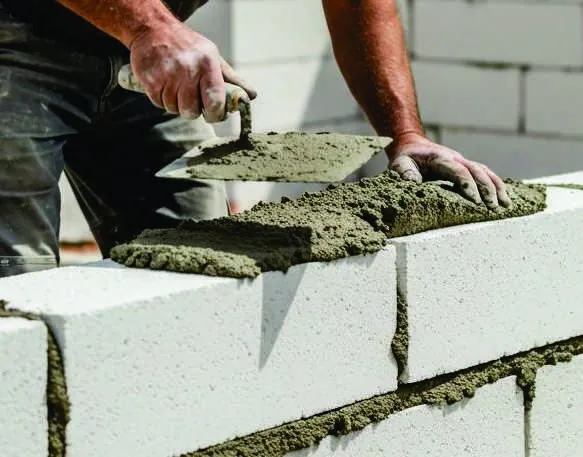
For wall putty, work on 15–18 sq ft per kg for two coats at 1–1.5 mm — about 600–720 sq ft from a 40 kg bag. For AAC block joining mortar, consumption depends on block size and joint thickness, so ask for a figure against your actual block dimensions rather than using a general number.
Estimate it in seconds
Use the coverage calculator on any EMMA product page: enter the area, pick the tile size and the wastage allowance, and it gives the bag count. For project quantities, send us the tile schedule and we will work it out with you.
Read next
- Tile Adhesive vs Cement Mortar: Which Is Better for Fixing Tiles?
- Tile Adhesive Type 1, Type 2 and Type 3: What the Difference Actually Means
- Why Tiles Sound Hollow and Come Loose — and How to Prevent It
Browse the full EMMA product range, check the application guide, or ask our technical team about your site.