
Perfect Base for Perfect Paint Finish
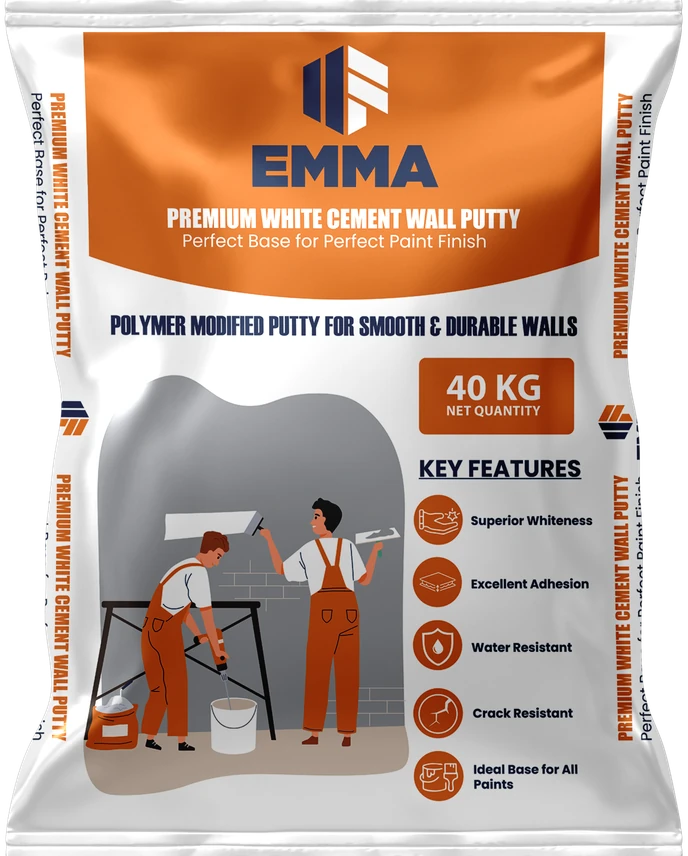
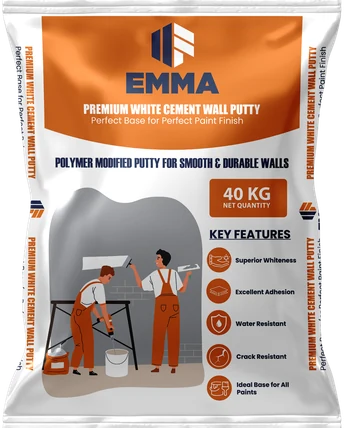
EMMA Premium White Cement Wall Putty
Premium White Cement Wall Putty
EMMA Premium White Cement Wall Putty is a high-performance, polymer-modified solution designed to create smooth, durable walls for both interior and exterior surfaces. It fills micro-cracks, levels uneven plaster and provides a perfect base for all decorative paints. Ideal for residential, commercial and renovation projects, it enhances paint adhesion, reduces paint consumption and ensures a long-lasting finish.
Features & advantages
- Superior smoothness and high whiteness (90–92%)
- Strong adhesion to plaster, concrete and masonry
- Crack- and water-resistant
- Compatible with all decorative paints — emulsion, acrylic, distemper & texture coatings
- Enhances paint adhesion and reduces paint consumption
- Developed as per BIS and ASTM standards
How many bags of Wall Putty?
—
How accurate is this? Coverage figures are the EMMA catalogue's 20–30 sq ft per 20 kg bag for tile adhesive and 15–18 sq ft per kg (2 coats) for wall putty; where you land inside the band depends on notch size, how flat the substrate is and the applicator. Treat the result as an order guide, not a guarantee — confirm with a site trial or .
Application area
Where Wall Putty goes, and what it goes on.

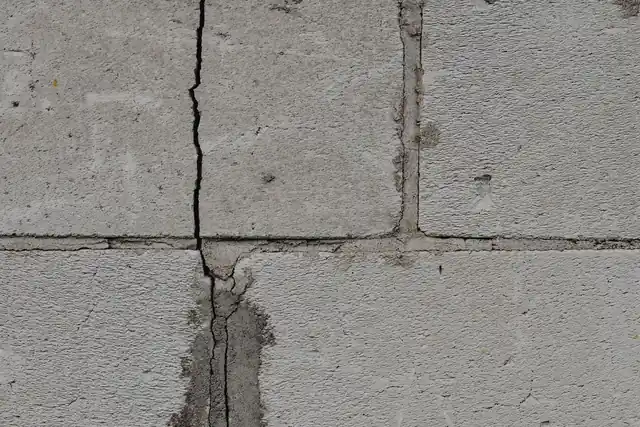
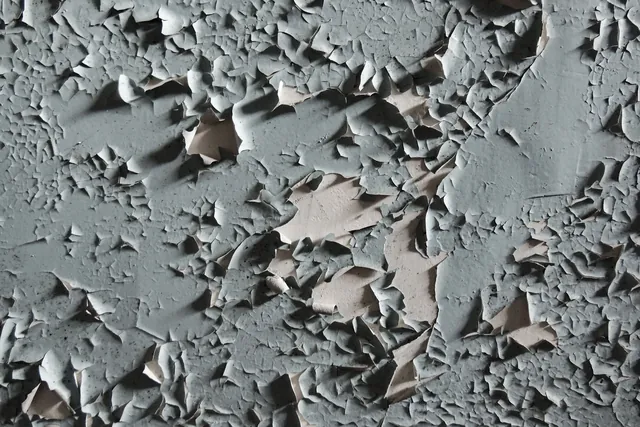
Illustrative photo. A stock image of the kind of work, not an EMMA project and not a record of where Wall Putty was used.
Material to be fixed (paint goes over the putty)
- Compatible with all decorative paints — emulsion, acrylic, distemper & texture coatings
On substrate
- Interior walls, exterior walls and ceilings
- Concrete and cement-plastered surfaces
Also recommended for
- Renovation and new construction projects
From the "Recommended for" list in the EMMA product catalogue 2026–27.
Technical data
| Property | Value |
|---|---|
| Water Demand | 35–40% |
| Whiteness | 90–92% |
| Compressive Strength (28 days) | 6–7 N/mm² |
| Tensile Adhesion Strength (14 days) | 0.75–1 N/mm² |
| Water Absorption | 0.7 ml/hr |
| Coating Thickness | 1–1.5 mm |
| Coverage (per kg, 2 coats)* | 15–18 sq ft |
| Pot Life / Shelf Life | 2–3 hrs / 6 months (dry storage) |
- Standard
- IS 17545:2021 · ASTM
- Packaging
- 40 kg
- Shelf life
- 6 months (dry storage)
*Coverage is indicative — subject to substrate, skill of operator & climatic conditions. For more details, please contact a company representative.
Values as printed in the EMMA product catalogue 2026–27; site results vary with substrate, workmanship and weather.
How to apply
- Ensure the surface is clean, dust-free and slightly damp.
- Mix putty powder with 35–40% clean water to form a smooth, lump-free paste.
- Apply the first coat evenly with a putty blade or trowel; allow to dry for 4–6 hours.
- Apply the second coat and let it dry completely.
- Lightly sand for a smooth finish before priming / painting.
Tools: Putty blade, steel trowel, hawk board, sanding paper / block.
Things to consider
Specifying the wrong grade is the most common cause of a failed job. Wall Putty is not intended for:
- Not a waterproofing coat, a crack-bridging membrane or a substitute for plaster.
- Not for floors, or for permanently wet and submerged surfaces.
- Not to be applied over loose, flaking or powdery paint, or over a surface that has not been cleaned back to sound plaster or concrete.
- Not to be laid thicker than 1–1.5 mm per coat — thick coats crack as they dry.
- Not a primer: the wall still needs a primer before painting.
Move one step up, or one step across
Putty is the finishing layer. If the wall needs structural repair or levelling of more than a few millimetres, that is plaster or screed work, and it happens before putty.
Related products
All products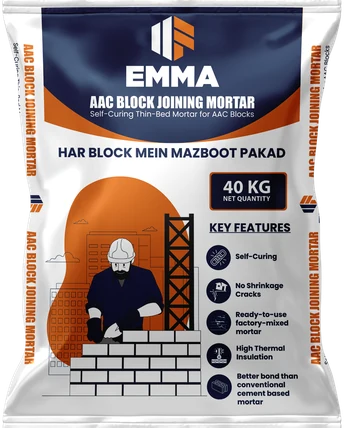
AAC Block Joining Mortar
High bond strength for AAC and lightweight blocks. Thin-bed 2–3 mm, no curing required.
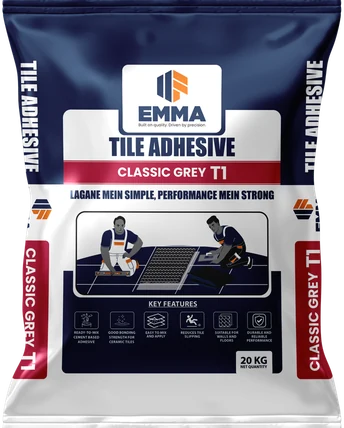
Classic Grey T1
Everyday interior tiling. Small ceramic wall and floor tiles, interior, up to 600×600 mm.
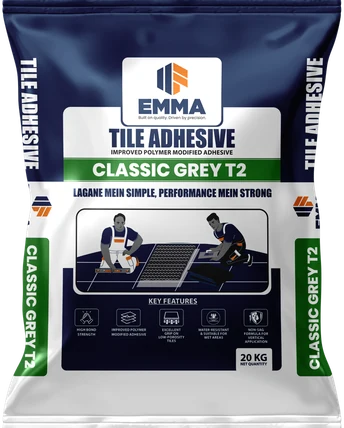
Classic Grey T2
Vitrified and large ceramic tiles up to 600×1200 mm, including tile-on-tile.
Questions about Wall Putty
How many coats of putty are needed?
How much area does a 40 kg bag cover?
Can putty be applied directly on brickwork?
Can I apply it over old paint?
How long after putty can I paint?
Is it suitable for exterior walls?
Need Wall Putty for a site?
This website does not take orders. Send your city, quantity and timeline — our team confirms availability, price and the nearest supply point, usually within one working day.
 Wall Putty
 Classic Grey T3
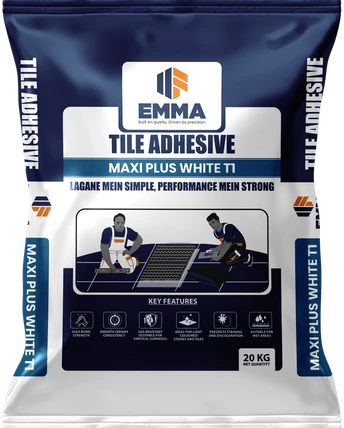 Maxi Plus White T1
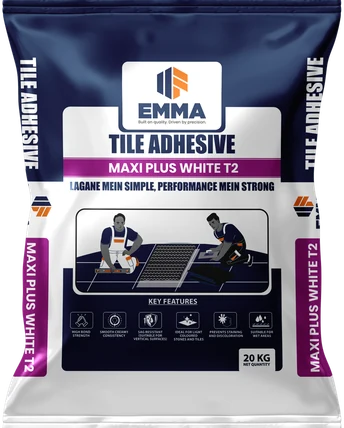 Maxi Plus White T2
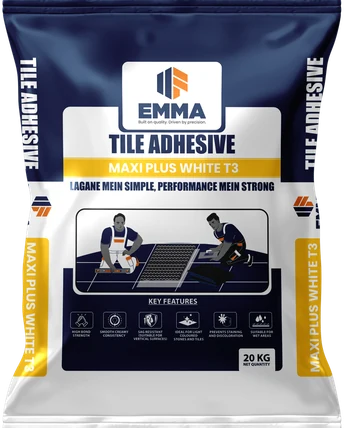 Maxi Plus White T3