Indian Standard IS 15477 classifies cement-based tile adhesives by performance. In practice, most brands sell them as Type 1, Type 2 and Type 3. Here is what each one is built for.
Type 1 — basic polymer modified
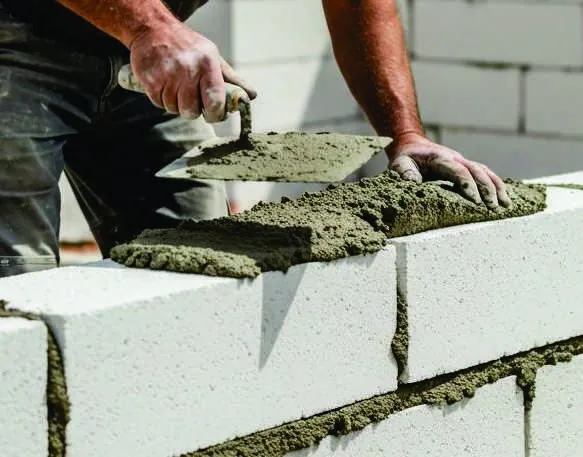
A general-purpose adhesive for everyday interior tiling. It handles small ceramic wall and floor tiles, typically up to 300×300 mm, in dry and wet interior areas such as kitchens and bathrooms. It is non-sag, so wall tiles stay where you place them.
Use it for: small ceramic tiles, interior walls and floors, bathroom and kitchen tiling in homes.
Do not use it for: vitrified tiles larger than 300×300 mm, exteriors, tile-on-tile, stone.
Type 2 — improved polymer modified
More polymer, so higher bond strength and more flexibility. This is the working grade for most of what gets laid today: large ceramic tiles, vitrified tiles up to 600×600 mm, glass mosaic, balconies and moderate-traffic floors. It is also the minimum grade for tile-on-tile work, where the adhesive has to grip a glazed surface instead of a porous one.
Use it for: vitrified tiles, indoor and outdoor floors with moderate traffic, tile-on-tile, balconies and wet areas.
Type 3 — high strength polymer modified
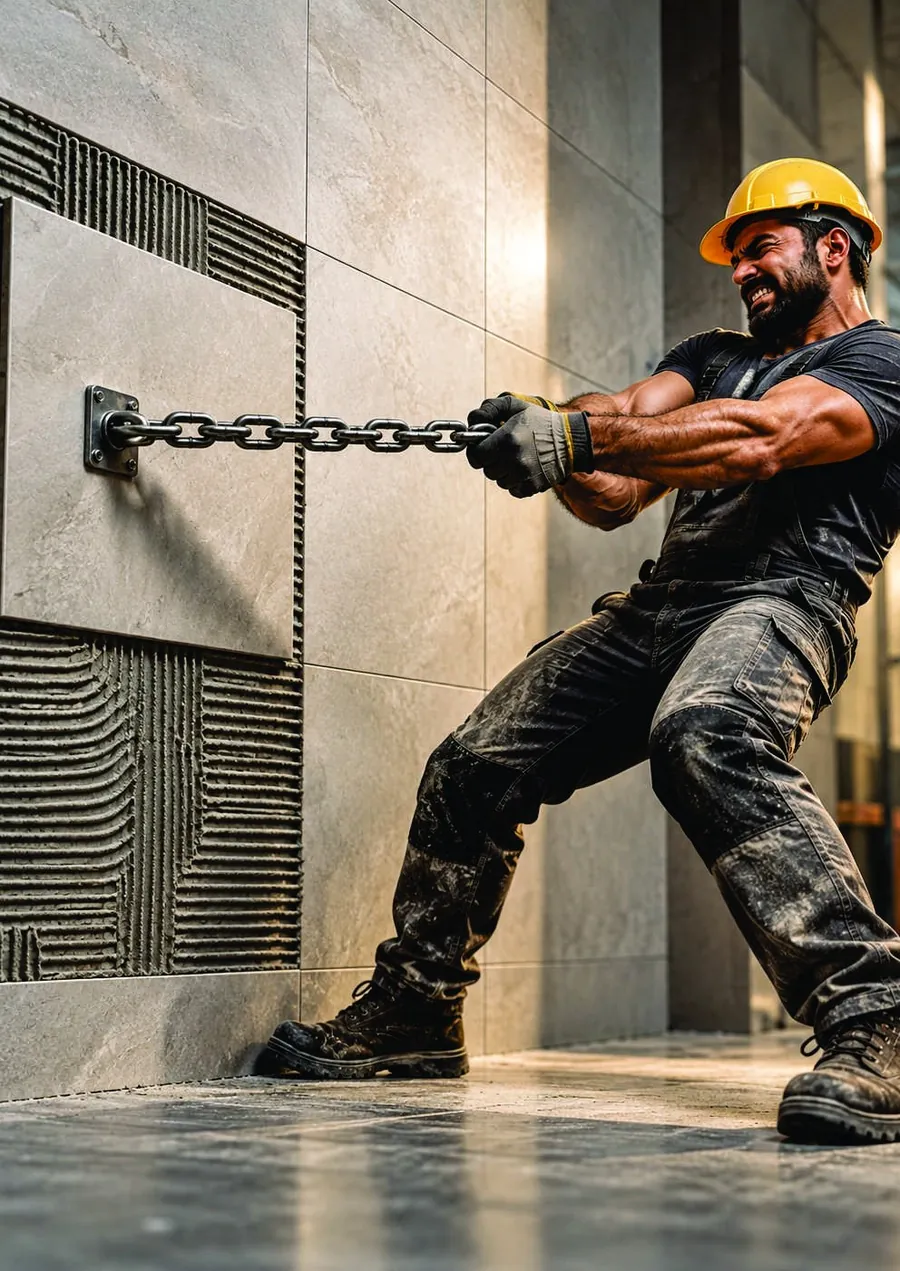
The highest grey grade. Very high bond strength and real flexibility, which is what large-format tiles and stone need when the substrate moves, when the sun heats a façade all afternoon, or when a showroom floor takes trolley traffic all day.
Use it for: large format vitrified, granite, marble, basalt and natural stone; exterior walls and concrete substrates; high-traffic commercial floors; tile-on-tile under stress; areas exposed to rain and direct sun.
The quick rule on site
- Tile larger than 600×600 mm → Type 3, with back-buttering.
- Any exterior wall or façade → Type 3.
- Vitrified tile, interior floor → Type 2.
- Small ceramic, interior → Type 1.
- Light-coloured or translucent stone → white adhesive of the matching type.
- Swimming pool or permanently submerged → white Type 3.
Why going one grade lower costs more
The saving on a 1,000 sq ft floor between Type 2 and Type 3 is modest. The cost of lifting and relaying that floor — new tiles, chipping, debris removal, labour, and the weeks of site disruption — is many times that. Grade selection is the cheapest insurance on the job.
What the numbers mean
When you read tensile adhesion strength on a bag, that figure is a pull-off test: how much force it takes to tear the tile off the substrate. Open time is how long the combed bed stays able to wet the tile back — once it skins, the tile will not bond even if it looks stuck. Pot life is how long the mixed material stays usable in the bucket.
Read next
- Tile Adhesive vs Cement Mortar: Which Is Better for Fixing Tiles?
- White vs Grey Tile Adhesive: What to Use for Marble and Light Stone
- Tile Adhesive Coverage: How Many Bags per 100 sq ft?
Browse the full EMMA product range, check the application guide, or ask our technical team about your site.